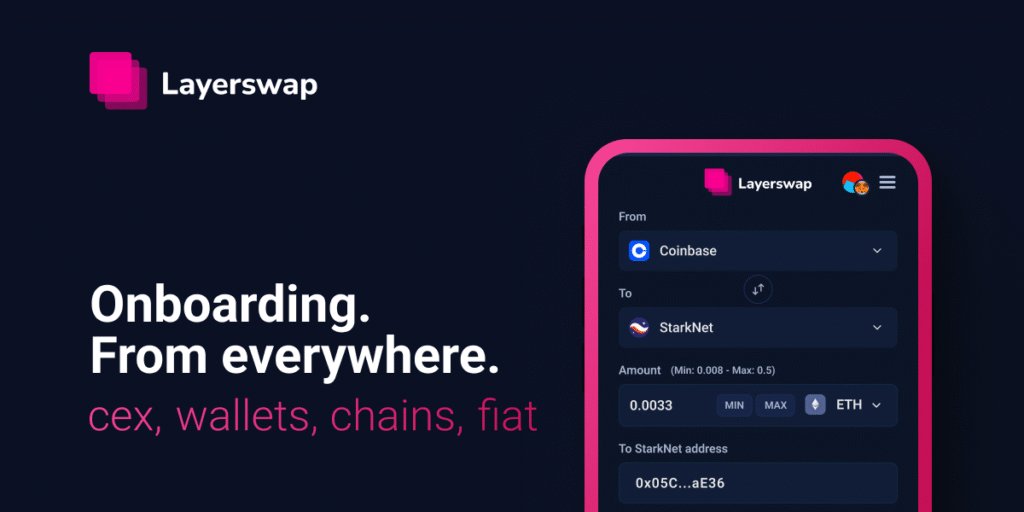
In just over a decade, cryptocurrency has transformed from a fringe innovation into a global economic force. At the heart of this transformation are crypto exchanges—platforms that have become the gateways to digital finance for millions of users around the world. What started as simple trading platforms has now evolved into sophisticated financial ecosystems offering everything from spot and futures trading to staking, yield LayerSwap farming, and NFT sells.
This article explores the history, progression, and growing significance about crypto exchanges in the global economy.
The early Days: A Peer-to-Peer Beginning
The first notable cryptocurrency, Bitcoin, was launched in 2009. In its earliest days, buying or selling Bitcoin was a complex and manual process. People often met directly or used boards like Bitcointalk. org to exchange BTC for cash or bank geneva chamonix transfers. These peer-to-peer (P2P) transactions were slow, risky, and didn’t have any standard system.
The importance for more effective and trustworthy platforms led to the birth of the first centralized crypto exchanges.
The Rise of Centralized Exchanges
In fact, Mt. Gox became one of the first major crypto exchanges, handling more than 70% of all Bitcoin transactions at its peak. While Mt. Gox ultimately flattened in 2014 after losing over 850, 000 BTC in a compromise, it set the stage for the modern centralized exchange (CEX).
Ever since then, numerous centralized platforms have emerged, including:
Binance – Known for low fees, a massive selection of tokens, and high liquidity.
Coinbase – A regulated You. S. exchange that is friendly to beginners.
Bitfinex, Kraken, and OKX – Offering advanced trading tools for institutional and professional traders.
Features That Popularized CEXs:
Custodial Wallets and handbags: Users don’t need to worry about private keys.
User friendly: Registration and KYC are streamlined.
Fiat Integration: Deposit and alienation options via bank transfer or credit card.
Support: Help centers, live chat, and email support.
However, centralized exchanges have also faced criticism over security vulnerabilities, regulatory pressure, and lack of user control over assets.
Decentralized Exchanges: A Paradigm Shift
In response to the centralized model’s limitations, decentralized exchanges (DEXs) began gaining the traction around 2017, with platforms like EtherDelta leading the charge. Today, DEXs like Uniswap, SushiSwap, and PancakeSwap offer robust trading options without necessity for a central authority.
Why DEXs Are Gathering popularity:
No KYC Requirements: Trade anonymously without submitting personal documents.
Non-Custodial: You always retain control of your funds.
Access to New Tokens: DEXs often list tokens before CEXs.
Despite their benefits, DEXs face challenges such as:
Lower Liquidity
Slower Transaction Data transfer rates
Higher Fees (especially on Ethereum)
Technical Barriers for New Users
Hybrid Exchanges: Best of Both Mobile phone industry’s?
To bridge the gap between CEXs and DEXs, hybrid exchanges are emerging. These platforms aim to offer the user-friendly interfaces and high liquidity of centralized exchanges, while incorporating decentralized elements like non-custodial trading and transparency.
Examples include:
dYdX: A decentralized platform offering advanced trading features like perpetuals.
Loopring: Uses zk-rollups for faster, cheaper decentralized trading.
Injective Protocol: A fully decentralized derivatives platform with near-instant performance.
Services Offered by Modern Crypto Exchanges
The modern crypto exchange is more than just a trading platform. Here are some of the advanced services now commonly offered:
- Spot and Derivatives Trading
Spot trading allows for instant purchase or sale of crypto assets, while derivatives like futures and options enable speculation and hedging.
- Staking and Yield Farming
Users can lock their tokens on the platform and earn passive income through staking or liquidity provision.
- NFT Sells
Some exchanges, like Binance and Coinbase, now support buying, selling, and minting NFTs.
- Launchpads
New crypto projects can raise funds through Initial Exchange Offerings (IEOs), which are visible on major exchanges.
- Copy Trading
Web template beginners to follow and mimic the trades of more capable investors, democratizing access to successful strategies.
Security and Regulation: An evergrowing Focus
As crypto adoption grows, so do the perils. Hacks, scams, and regulatory violations have inundated the industry. Today’s leading exchanges invest heavily in:
Cold Storage: Most funds are stored not online to prevent hacks.
Two-Factor Authentication (2FA): Adds a layer of security.
Bug Bounty Programs: Encourage moral cyber criminals to find vulnerabilities.
Regulatory deference is also increasing. Jurisdictions like the You. S., UK, and EUROPEAN require crypto platforms to follow KYC, AML, and tax credit reporting guidelines. While this adds in business complexness, it boosts credibility and fosters mainstream acceptance.
Choosing the right Exchange
With so many options available, selecting the right exchange depends on your needs. Here are some questions to consider:
Are you a beginner or a practiced speculator?
Do you value privacy or regulatory protection?
What assets and trading twos are you interested in?
Do you need mobile access or advanced trading tools?
Are fees an important consideration?
Always do your homework. Check reviews, compare fees, and consider testing with a small deposit before fully committing.
The future of Crypto Exchanges
Crypto exchanges are improving rapidly. Some trends that will shape their future include:
Tokenized Assets: Real-world assets like real estate and stocks could soon be traded as tokens.
AI-Powered Trading: Artificial intellect and machine learning will automate and boost trades.
Interoperability: Cross-chain trading will become seamless, eliminating the importance for bridges or twisted tokens.
Gamification: Expect more features like loyalty programs, trading battles, and achievements to boost diamond.
As blockchain technology continues to disrupt traditional finance, crypto exchanges will remain at the center of this transformation, serving as the primary entry point for and institutions alike.
Conclusion
Crypto exchanges attended a long way—from informal boards and early experiments to full-fledged financial platforms. They have made it possible for the volatile growth of digital assets, triggerred the rise of DeFi, and opened up a new world of investment opportunities.
Whether centralized, decentralized, or hybrid, these platforms are more than just trading hubs—they are the spine of the crypto economy. As technology and regulation progress, the future of exchanges will be molded by innovation, transparency, and the ever-increasing demand for financial freedom.